Understanding the Numerous Uses of Waste Devices in the Recycling Industry
The reusing sector relies greatly on specialized waste tools to optimize handling and recovery. Each tool, from shredders to balers, offers a distinctive purpose that boosts overall effectiveness. Recognizing these functions is important for improving sustainability efforts. Commercial garbage compaction equipment. As modern technology advancements, new developments arise, assuring to change conventional techniques. This advancement raises essential concerns concerning the future of waste administration and its impact on ecological preservation. What modifications lie in advance for this critical industry?
The Function of Shredders in Material Handling
Shredders play a crucial function in the reusing market by successfully processing various kinds of waste products. These equipments are designed to lower big items, such as plastics, steels, and organic waste, right into smaller sized, workable pieces. This dimension reduction is vital for succeeding recycling procedures, as it permits easier handling and sorting. Along with helping with recycling, shredders boost safety and security by reducing the danger of injury connected with taking care of cumbersome waste things.
Moreover, shredders add to environmental sustainability by guaranteeing that products are processed in a manner that makes best use of resource recuperation. They can take care of a diverse series of materials, making them flexible devices in waste management facilities. The efficient procedure of shredders not just streamlines the reusing process but additionally enhances the overall performance of waste diversion efforts, promoting a round economy. Their relevance in material handling can not be overstated, as they work as a fundamental step in the direction of sustainable waste monitoring methods.
Exactly How Balers Enhance Performance in Waste Management
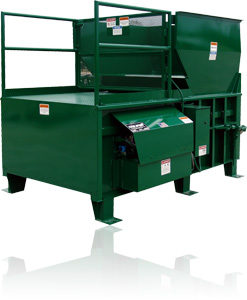
Balers greatly improve performance in waste management by condensing different products right into bales, which simplifies storage and transportation. By compressing recyclables such as cardboard, plastics, and metals, balers substantially reduce the volume of waste. This compression not just makes the most of area in recycling centers yet also reduces the variety of trips required to carry products, bring about lower fuel prices and minimized ecological impact.
Balers add to boosted security in waste administration operations. Compact bundles are much easier to pile and manage, lowering the risk of mishaps linked with loose materials. The consistent dimension of bales enables more effective filling and dumping processes, enhancing procedures within recycling facilities. Furthermore, balers can enhance the overall top quality of recyclables, as correctly compressed products are less likely to be polluted. Generally, balers play a vital duty in maximizing waste management methods, advertising sustainability in the reusing sector.
Conveyor Systems: Enhancing the Recycling Process
Integrating innovative machinery like balers greatly boosts waste management procedures, but the effectiveness of the recycling procedure is better improved through the use of conveyor systems. These systems play an essential duty in the smooth transportation of products within recycling centers. By facilitating the activity of various waste kinds, conveyor systems decrease manual handling and decrease the danger of contamination throughout the recycling process.
Conveyor systems can be tailored to fit the distinct formats and operational needs of reusing facilities. Their capacity to operate continually allows for a stable circulation of materials, improving performance and guaranteeing that arranging and processing equipment receives a consistent supply.
Geared up with functions like adjustable rates and automated controls, conveyor systems can enhance the flow of materials, considerably improving general performance (Commercial garbage compaction equipment). These systems are crucial in modern recycling operations, streamlining processes and adding to reliable waste management.
Sorting Machines: The Trick to Product Healing
Sorting machines are important components in the recycling sector, significantly boosting the effectiveness of product recovery. These makers play a pivotal function in the splitting up of various recyclable materials, enabling a streamlined process that optimizes resource removal. By using sophisticated technologies, such as optical sensing units and air classifiers, arranging devices can recognize and categorize materials based upon their dimension, structure, and weight. This ability guarantees that steels, plastics, and paper items are successfully separated, reducing contamination and boosting the high quality of recycled output.
The procedure of arranging makers considerably reduces the dependence on hands-on labor, which can be both time-consuming and vulnerable to errors - Commercial garbage compaction equipment. Furthermore, the automation given by these devices increases the general recycling procedure, bring about greater throughput and increased operational performance. Arranging equipments are indispensable in accomplishing lasting waste administration objectives, enabling the recycling industry to properly recuperate important products while minimizing landfill dependency.
Technologies in Waste Devices for a Sustainable Future
Recent advancements in waste equipment are driving the recycling industry towards a more lasting future. Technologies such as automated arranging systems, which use expert system and artificial intelligence, boost performance by accurately identifying and separating recyclables. This results in higher recovery rates and decreased contamination. Furthermore, growths in condensing innovation permit more effective transport of materials, decreasing carbon footprints during transportation.
In addition, improvements in shredding tools boost the processing of complex materials, making it possible for the recycling of products that were when regarded non-recyclable. The integration of renewable energy sources, like solar energy, in waste handling centers better adds to sustainability objectives. Additionally, developments in eco-friendly materials and waste-to-energy technologies are reshaping the landscape of waste administration. Collectively, these innovations represent a transformative shift within the recycling industry, promoting not only environmental management but additionally financial stability for future generations.
Regularly Asked Inquiries
What Kinds Of Products Can Waste Equipment Handle?
The kinds of products waste equipment can handle consist of plastics, metals, paper, glass, and natural waste. Each devices type is designed for details products, enhancing effectiveness and efficiency in arranging and refining numerous waste streams.
Just How Usually Should Waste Tools Be Preserved?
Are There Safety Issues With Using Waste Equipment?
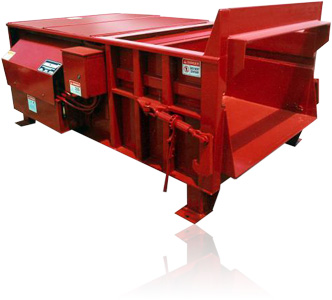
Safety concerns with using waste equipment include potential injuries from mechanical breakdowns, direct exposure to unsafe products, and poor training. Correct upkeep, normal examinations, and staff member education and learning are vital to alleviate these dangers successfully in any type of setting.
What Is the Average Lifespan of Recycling Equipment?
The ordinary life expectancy of recycling equipment generally ranges from 10 to 20 years, depending on factors such as usage intensity, upkeep techniques, and technical improvements, which can substantially affect sturdiness and efficiency with time.
Exactly How Is Waste Equipment Powered in Recycling Facilities?
Waste tools in reusing centers is usually powered by electrical power, though some devices might use alternative energy resources like natural gas or diesel. This power allows reliable handling and change of products for recycling objectives.
Shredders play an important role in the reusing industry by effectively Commercial waste compactor equipment processing numerous types of waste products. They can handle a diverse variety of materials, making them flexible devices in waste monitoring facilities. Balers greatly boost effectiveness in waste monitoring by compacting numerous products into bundles, which streamlines storage and transportation. The types of products waste equipment can manage consist of plastics, metals, paper, glass, and organic waste. Security problems with using waste devices include prospective injuries from mechanical malfunctions, exposure to harmful products, and insufficient training.
Comments on “Exploring the key features of Commercial trash compactor equipment”